

In short
- Moving from gas to charcoal changes your routine more than your cooking skills. Lighting takes longer, but most of that time is waiting while the embers form.
- Instead of turning a knob, you control heat with the ember bed and the distance between food and fire.
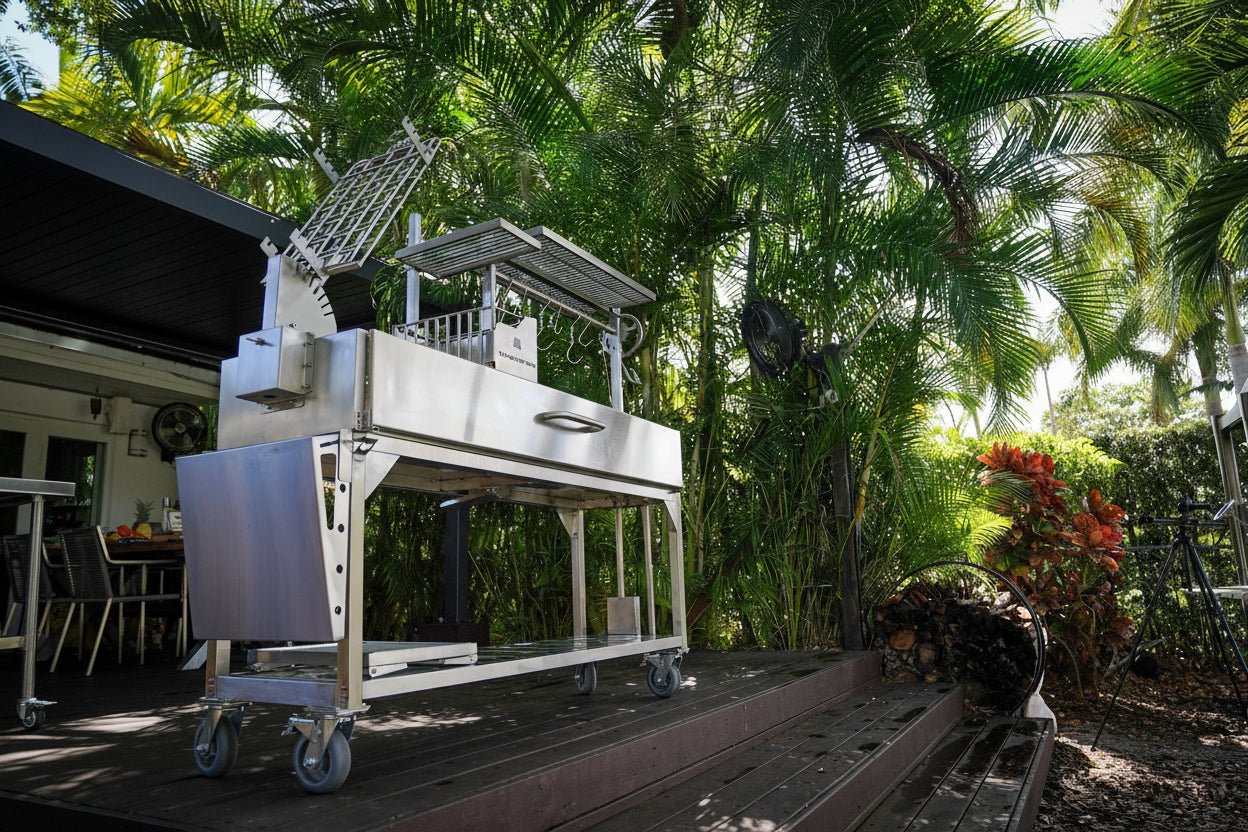
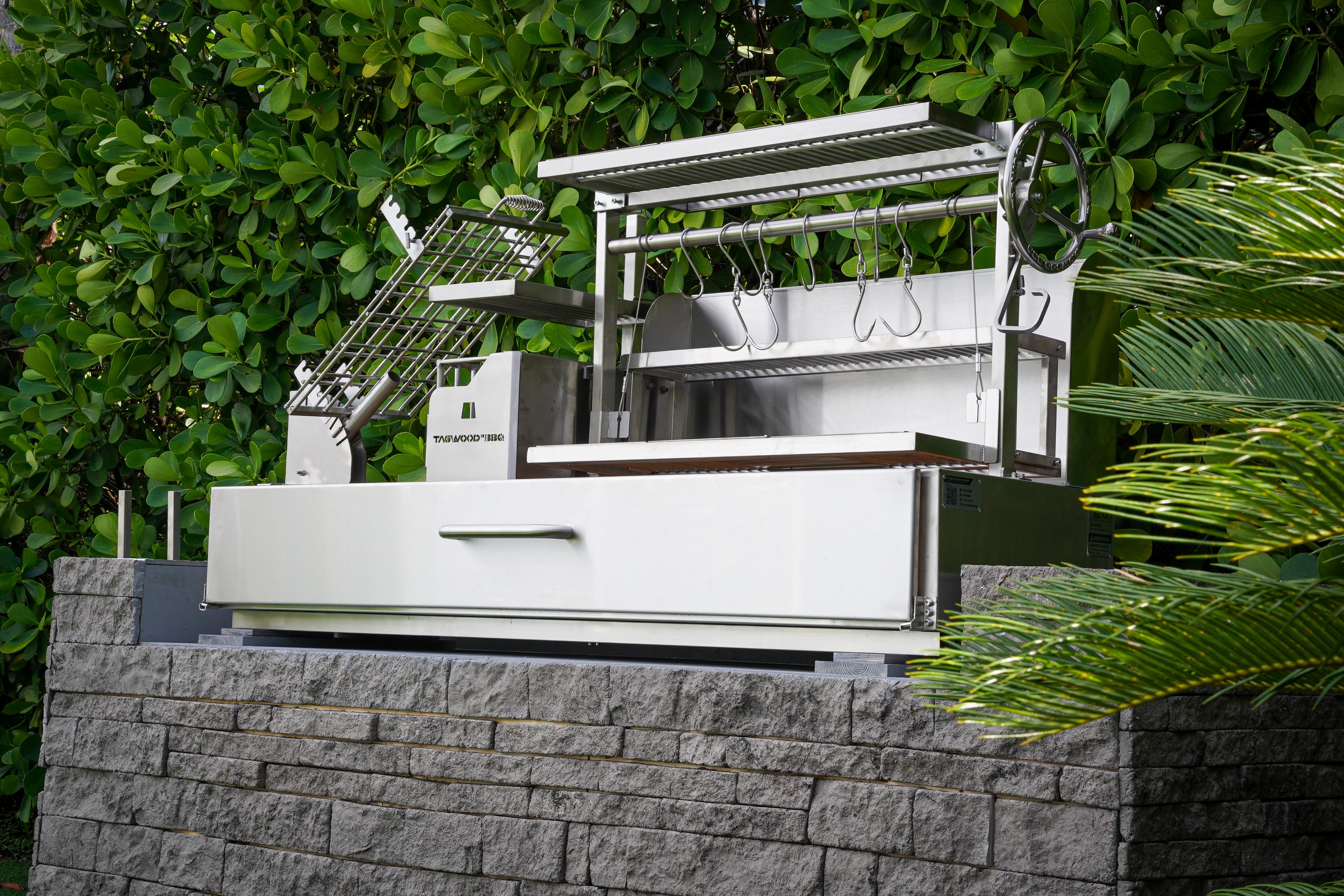
- A separate brasero and a height-adjustable grate make that switch a lot more intuitive.
If you have always cooked on gas, switching fuels can feel like a step backwards. You are used to turning a knob and cooking within minutes. But charcoal is not about making things harder. It is about a different way of cooking, with more flavour and more heat when you need it.
Why gas grill owners try charcoal
Gas is convenient: fewer steps between deciding to cook and putting food on the grate. What you give up is the flavour and character of a real fire. Glowing embers give off intense radiant heat that builds a deep, caramelised crust on steaks and burgers, and wood or charcoal adds a smoky depth that gas cannot match.
Is charcoal really harder? Step by step
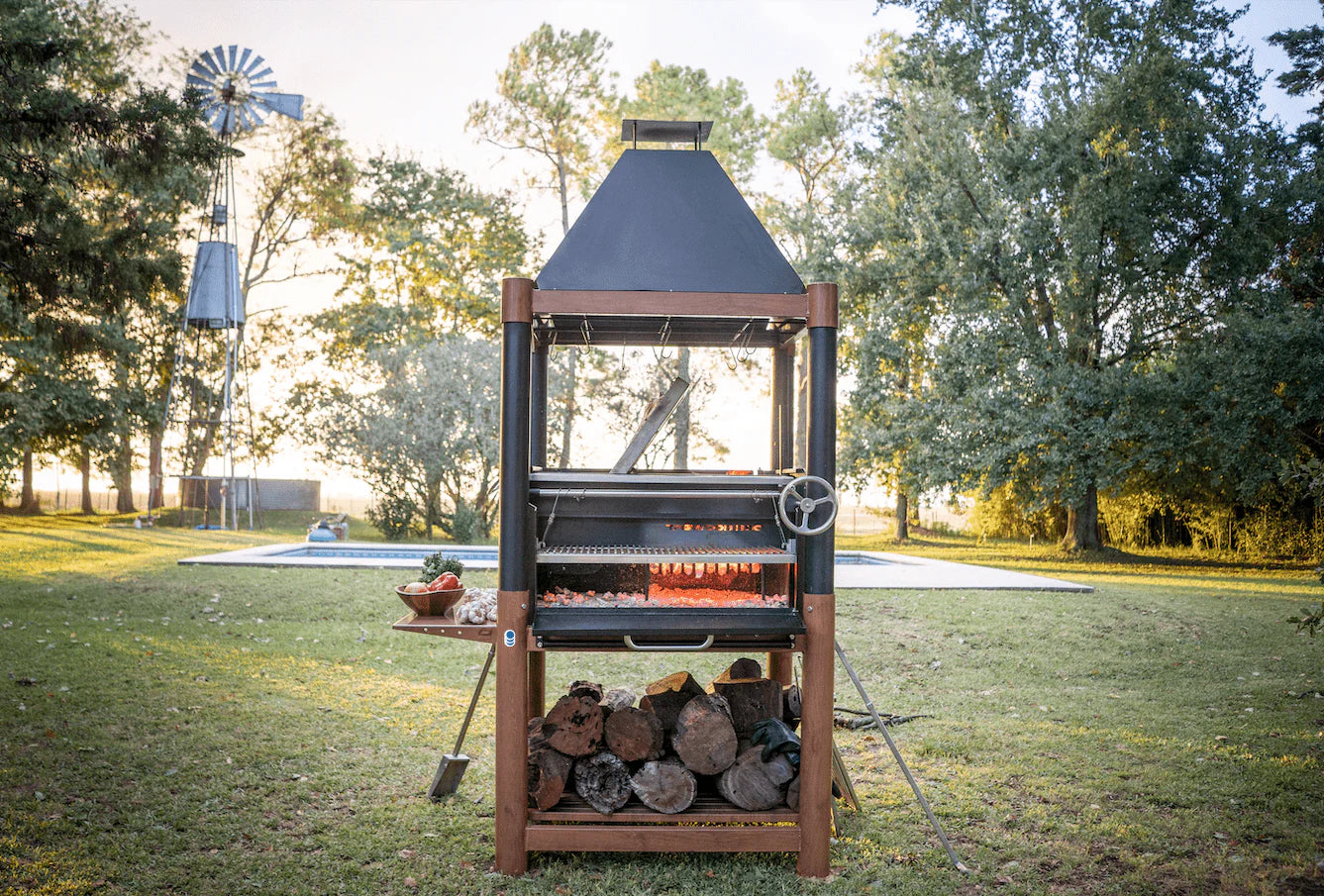
The idea that charcoal is complicated mostly comes from old habits. On a Tagwood grill with a brasero, it looks like this:
- Fill. Put lump charcoal or dry hardwood in the brasero.
- Light. Use a natural firelighter or paper with some thin kindling, then leave it and prepare your food.
- Wait. The fuel is ready when the coals glow and carry a light layer of ash. How long that takes depends on your fuel and the weather.
- Cook. Rake the embers under the grate, set the height and start grilling.
Your hands-on time is just a few minutes. The rest is waiting, which you can spend getting the food ready.

Cooking time: what to expect
Gas heats up faster, no question. Once you are cooking, the difference is smaller than most people think. Embers can deliver more intense heat than many gas burners, so steaks get a proper sear quickly. Plan your first charcoal session on a relaxed evening, so the extra start-up time never feels like pressure.
What you will notice the first time
The first thing is the smell: the smoke from wood or charcoal gives your food a rich, savoury depth. The second is the heat. Instead of a dial with numbers, you read the fire. Hold your hand above the grate, watch how the food reacts, and adjust. That takes a little more attention, but it quickly becomes second nature.
How Tagwood makes the switch easier
The brasero. You build and light the fire in a separate firebox. Once the embers are ready, you rake them under the grate. No lifting a grate with food on it, and no pouring hot coals around.
The height-adjustable grate. Instead of guessing with vents, you raise or lower the grate with the wheel. Closer to the embers means more heat, higher up means gentler cooking. It is a simple, mechanical way to control heat, and it works the way most gas users expect a control to work. Read more in our comparison of Santa Maria grills and standard charcoal grills.
Not sure which model suits you? The BBQ03 is the most common starting point for a freestanding grill. Compare all options in our guide to Tagwood gaucho grills, or browse the freestanding and built-in models.
Frequently asked questions
Is charcoal grilling really harder than gas?
It is a different routine rather than a harder skill. Gas gives you instant control with a knob. With charcoal you manage the fire, and with a brasero and adjustable grate most beginners get comfortable after a few sessions.
How does cooking time compare between gas and charcoal?
Gas is ready faster. Charcoal needs time to form embers, but can then deliver more intense heat, so searing steaks and burgers often goes quickly once you are cooking.
Can I control the temperature as easily as on gas?
Not with a dial, but on a Santa Maria grill it comes close. You adjust the distance between food and embers with the grate, and you control how many embers sit under the food. It takes a bit more attention, and gives you a lot of control in return.
Can I use a charcoal grill on a covered or enclosed patio?
No. Never use a wood or charcoal grill indoors, in a garage or in an enclosed or partly enclosed space. Burning wood and charcoal produces carbon monoxide.
Find a Tagwood dealer near you to see the grills in person, or contact us with your questions.